
How is Pungra different?
Bhangra is used in a few contexts, and it's time for us all to recognise that bhangra is not one thing. What is the key difference between performing to Punjabi music (a.k.a. bhangra) versus exercising to Punjabi music (a.k.a. bhangra)?
"One is about how good you look doing the movement, the other is how good the movement is for you"
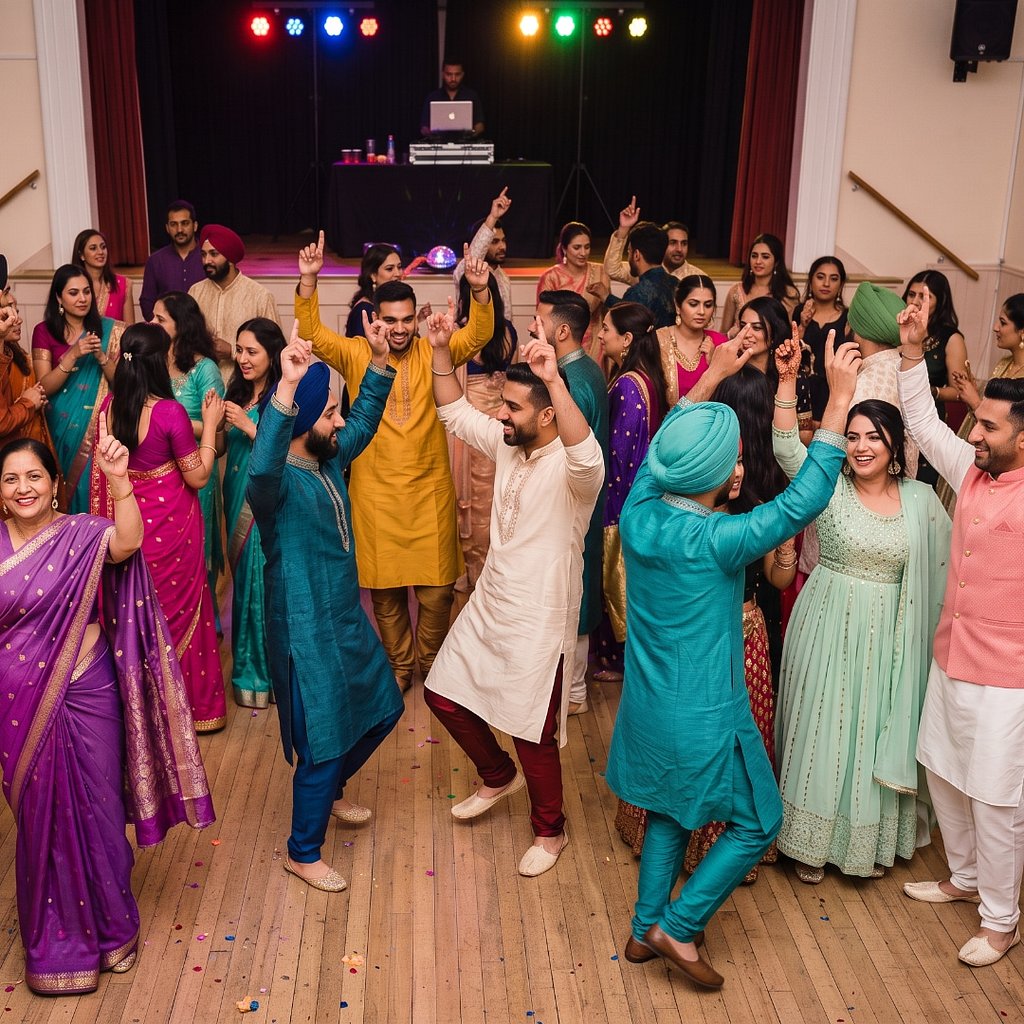
Partying to Punjabi music
This is the wedding floor, the family celebration, the night out. Nobody is counting steps or checking who is in time. The music is loud, the circle is open, and the only aim is joy and belonging. You join in when you like, dance how you like, and leave when you're done. It's one of the best things about Punjabi music, and nobody needs a teacher for it.
Best for: celebrating with friends and family.
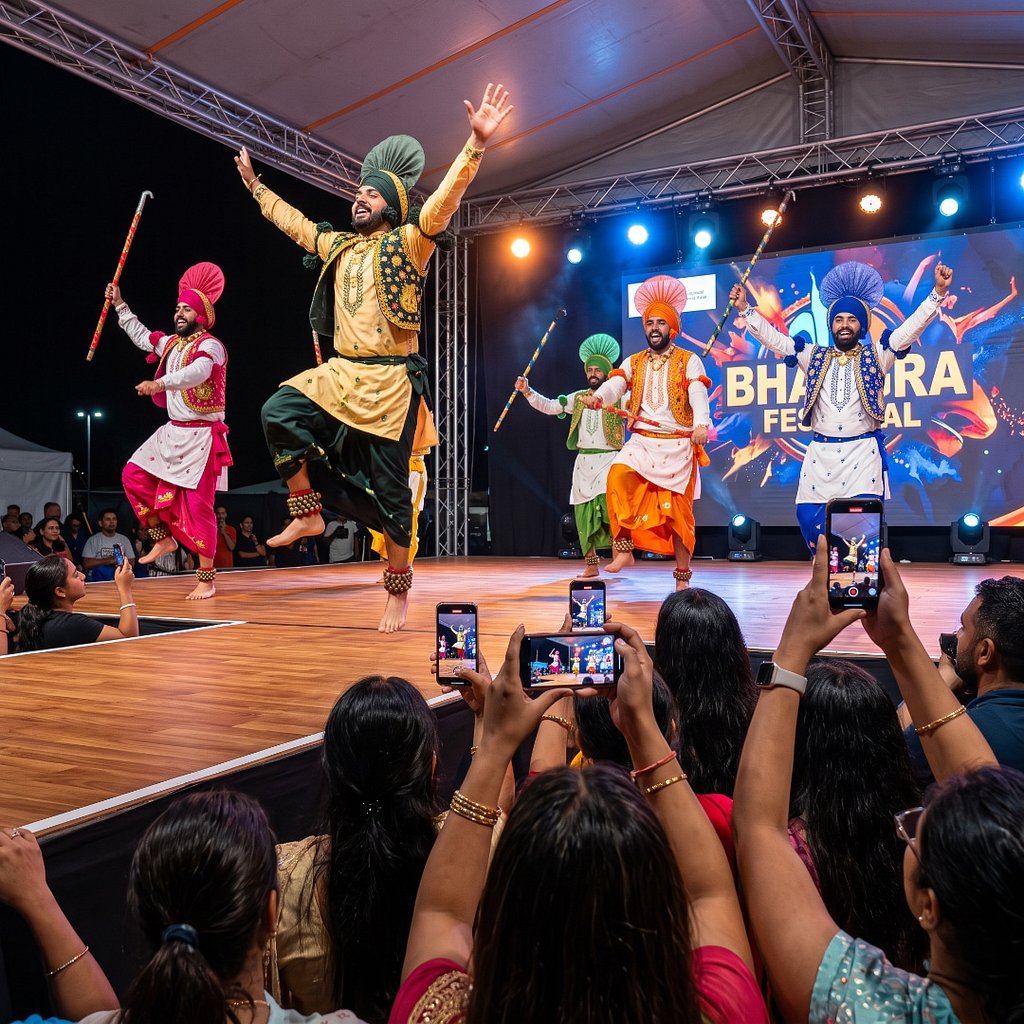
Performing to Punjabi music
This is what most people mean by bhangra dancing: the stage, the costumes, the choreography. The routines are built to be watched, so the steps are often complicated on purpose, because complicated looks impressive. Learning one takes time. Classes stop and start to explain, demonstrate and practise each step, and a routine is usually taught over several weeks, so people sign up for a course. It's a skilful art form and a great fit for anyone who wants to be on a stage, especially people with the time to commit to a course.
Best for: learning a routine to perform for an audience.
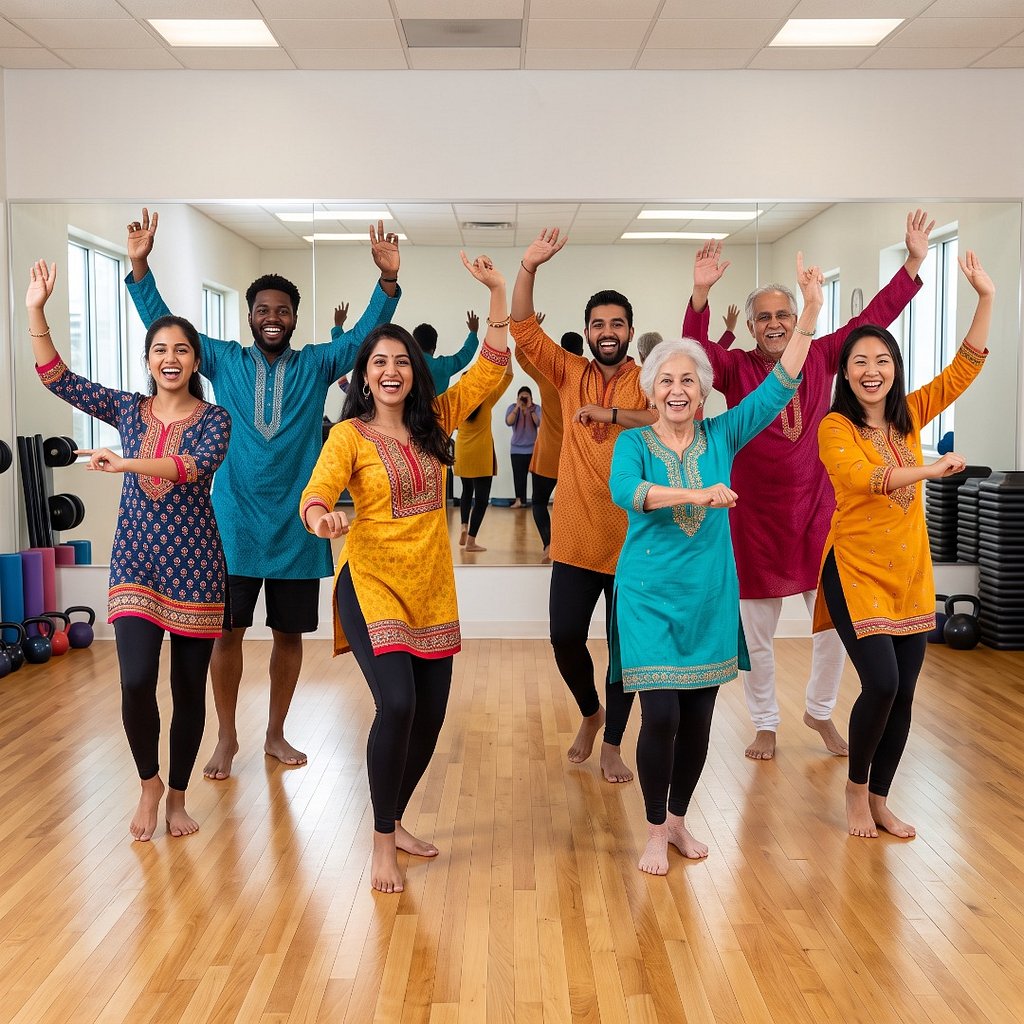
⚠️ Beware Performing masquerading as fitness
There are many organisations that are claiming to be fitness classes. But upon closer inspection you can see that they are actually dance-performing, masquerading as dance-fitness. When you're not sure, asking yourself one simple quesiton, are they more interested in how their dancing looks to an audience, than how good the dancing is for their fitness? Does this include these red flags?
- ethnic clothing
- bare feet
- big cheesy grins
- long hair loose/open
- the moves are more gentle than they are vigourous
- Unnecessarily complex choreography, unpredictable changes and transitions
- They perform at shows and events
All these, and more, are indicators of dance-performing masquarding as dance-fitness. The risk of joining these classes is that you won't achieve genuine fitness results and worse, you'll be part of some fads, gimmicks, risky movements and prone to injury.
Best for: nothing because this is misleading and not genuine to performing or fitness. "He/she who tries to be in two places at the same time is in neither". Pick a lane, choose either good performing, or good fitness.
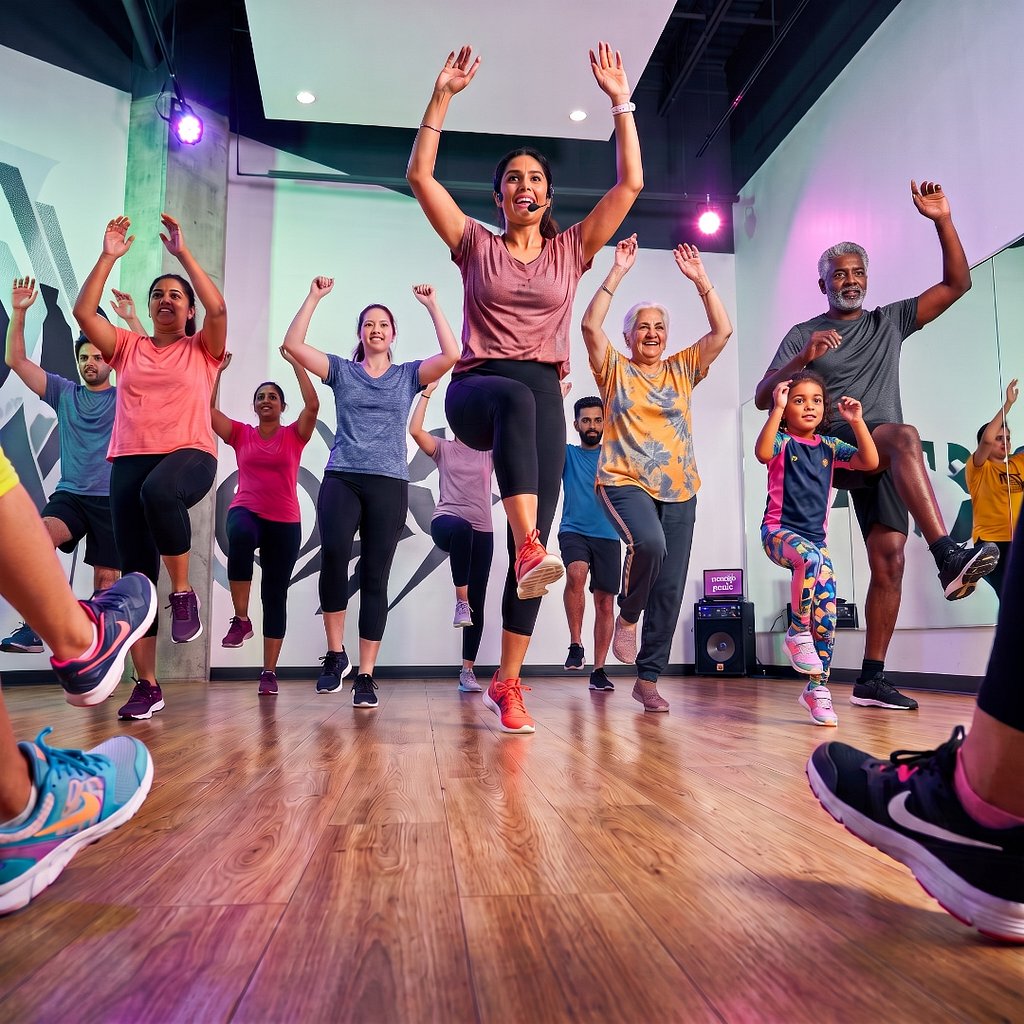
Exercising to Punjabi Music
This is what Pungra specialises in. The music is the same, but the purpose is different: the only person it needs to impress is you.
- There is no choreography to memorise.
- Your instructor teaches on-the-fly from a bank of movements, adjusting them to the people in the room, whether that's beginners, regulars or a mix of both.
- Moves stay simple so you can keep moving, sweat and leave feeling you've had a proper workout.
- There are no courses to sign up for, so if you miss a week for work, childcare or illness, you simply come back the next one.
- They're not trying to recruit talented dancers to their next show - this is no show to prepare for.
Best for: a good workout, with no performance pressure.