← Dance-Fitness to Punjabi Music · Module 1 of 9 · 8 minutes
The Pungra way: what to expect in class
No choreography
There is no routine to learn and nothing to memorise. You cannot get it wrong, and nobody is preparing you for a performance. “I have two left feet” really doesn’t matter any more, because no one is judging you, so you don’t need to judge yourself.
Taught on the fly from a bank of movements
Instructors build each class from a bank of movements, according to what’s working in that room on that day. They choose what comes next as the class goes, so this week’s class will differ from next week’s. At the same time, participants can come to any class, and miss any class, without feeling they’ve been left behind. A class follows six parts: warm up mobility, which includes dynamic stretching; warm up pulse raiser; conditioning; muscular strength endurance, which can include plyometrics, resistance band movements, circuit training, mat work or similar; cool down pulse reducer; and cool down static stretching. See the Moves page for the movements.
- The next movement is chosen while the current one is under way.
- Movements repeat, so you can settle into them.
- The instructor matches the energy of the music and the room.
Moves named for what your legs do
Every movement in the bank is named for what your legs are doing: heel, stamp, step, lift, kick, tap. There are no dance step names to learn. That keeps the class in everyday language, so you can follow whatever language you speak at home. It keeps your attention on your legs, which is where much of the health benefit is, and it keeps the class a workout, not a performance.
Use the whole room
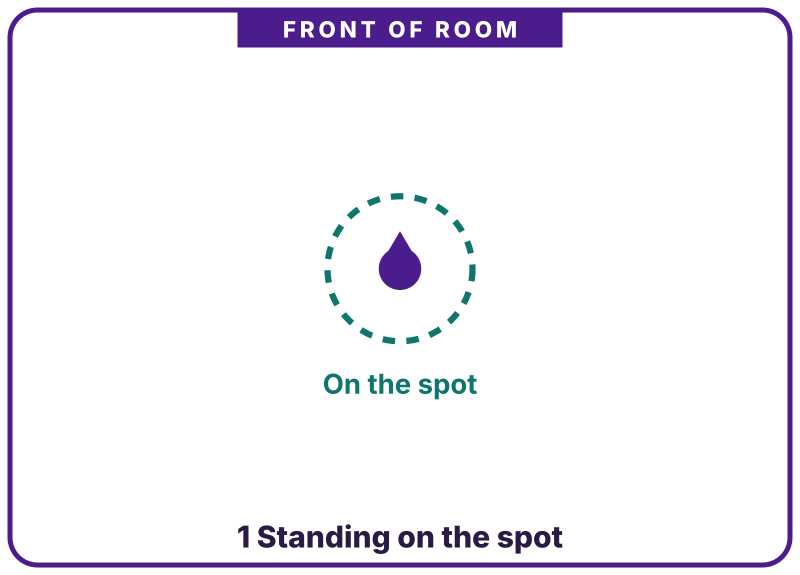
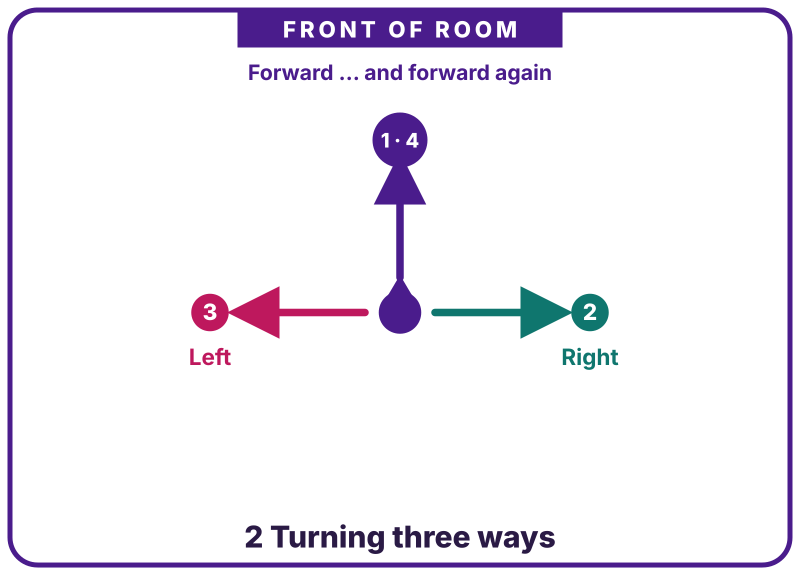
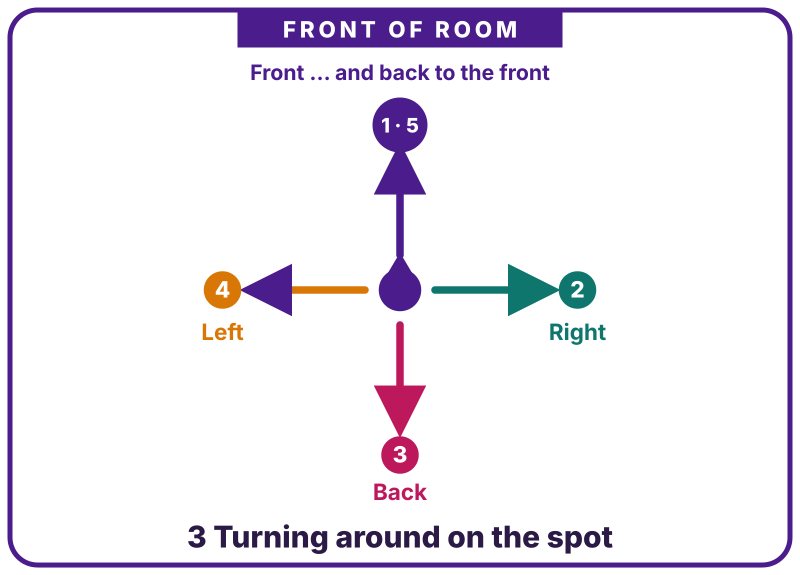
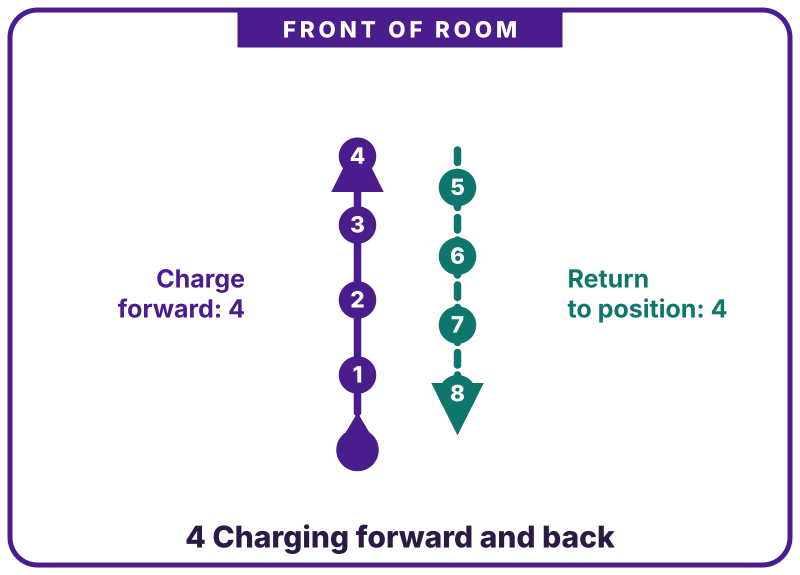
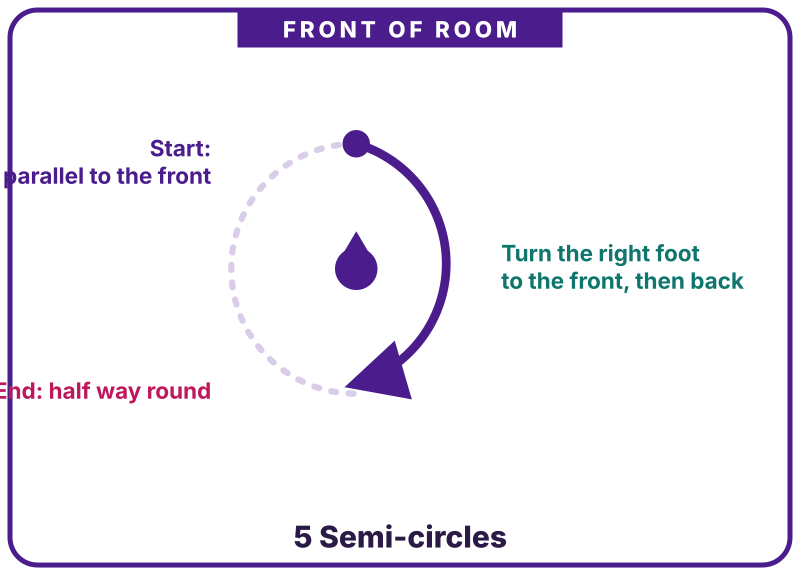
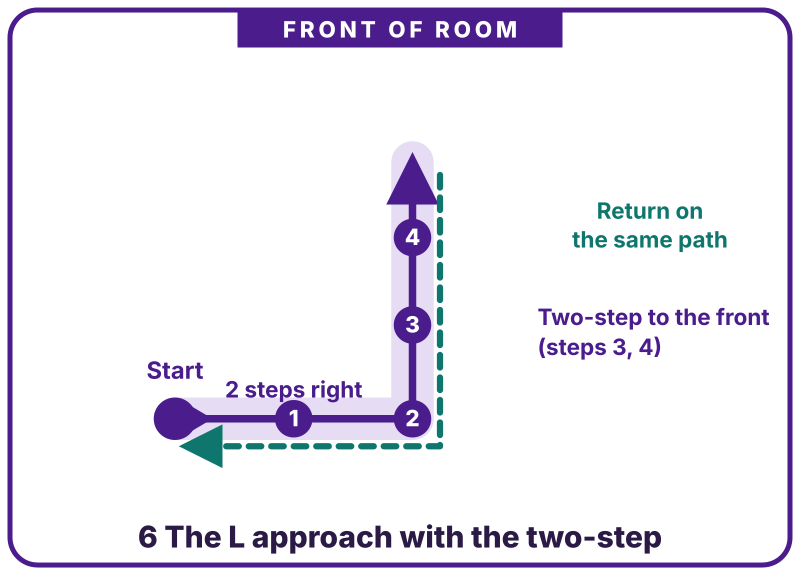
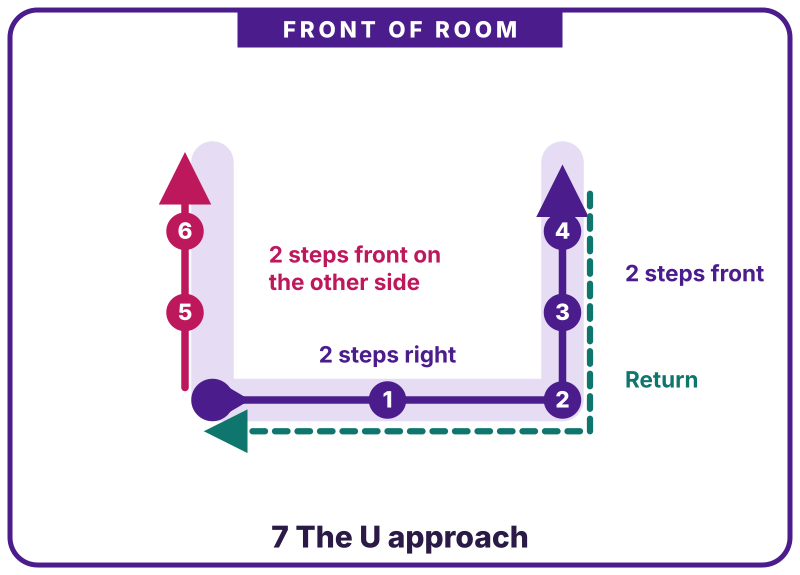
Standing on the spot is a terrible wasted opportunity. A Pungra class uses as much of the room as possible, so you move through the space in many different formations, led by your instructor. You might stand on the spot, turn three ways, turn all the way round, charge forward and come back, move in semi-circles, or travel in an L shape or a U shape across the floor. You do not need to memorise any of it. Your instructor cues each formation as it comes, and the whole class moves together.
Options for every level
Every movement has a lower and a higher intensity, so a first-timer and a regular can work side by side. Choosing the easier option is normal. Nobody needs to keep up with anyone else, but if they’re motivated to do so, that’s a bonus, not a requirement.
Music, pace and cues
- The music is played at fairly high volume, without bursting your eardrums.
- The pace of the class is constant, with little to no stopping.
- Instead of movements changing suddenly, the instructor takes care to transition you into the next movement. This makes it easier to follow and reduces the risk of injury.
- Cues are given before the transition to a different movement.
- The instructor shows as well as says.
- They face the class and watch for newcomers.
No audience
Pungra’s big idea is Exercise + Punjabi music − audience. The class is for you and your health, not for people watching. If you ever feel a class has become about looking good for an audience, that is the performing mindset creeping back in.
Your part
- Complete the physical activity readiness form on the Join Class page, and make sure your place is booked. Please do not just turn up: there is a limit on the number of people the class can hold.
- Once there, pick the option that suits you today, and change it as you go.
- Move at your own pace and stop if anything feels wrong.
- Come back next week. The benefit comes from regular practice.
How the Pungra Events App helps
The Pungra Events App is where you see when the next class is, become a member and book your place. See the Take Up Dance-Fitness course for how to use it.
Sources and further reading
- Karageorghis and Priest (2012): Music in the exercise domain, a review and synthesis, Part II (International Review of Sport and Exercise Psychology): that motivational music can improve affect and lower perceived exertion during endurance exercise.
- Farrance, Tsofliou and Clark (2016): Adherence to community-based group exercise for older people (Preventive Medicine): social connectedness, instructor behaviour and programme design as themes in sticking with group exercise (limited evidence, ten studies).
Evidence notes: The Pungra way of teaching is Pungra's own approach: no choreography, teaching on the fly, and options at every level. Research supports music and social connection in exercise. Last checked 7 November 2026. Links open in a new tab, and some sites may ask you to accept cookies or sign in.